
Africa News · Freedom of Expression Violation
Zimbabwe Extends Presidential Terms and Ends Direct Election of President
Zimbabwean President Emmerson Mnangagwa has signed a constitutional amendment extending presidential terms from five to seven years and replacing direct presidential elections with a parliamentary selection process. Human rights groups say the changes, ac
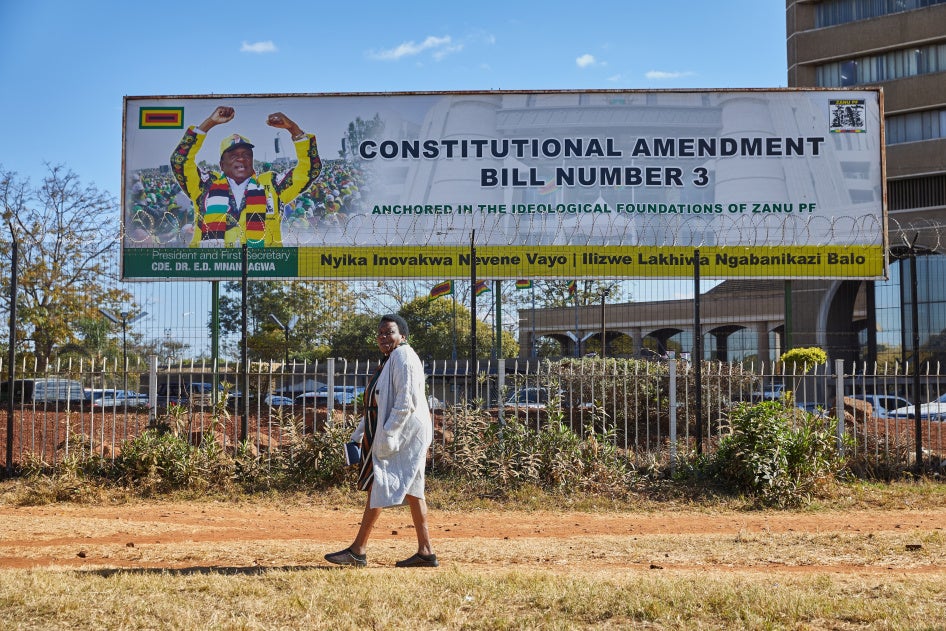
Zimbabwean President Emmerson Mnangagwa signed a controversial constitutional amendment into law on July 7, extending presidential terms from five to seven years and ending the direct election of the country’s president.
The amendment, which was approved by parliament in June, introduces a system under which the president will be selected by parliament rather than elected through a nationwide popular vote.
The changes have drawn criticism from opposition politicians, civil society organisations and human rights advocates, who warn that they could weaken democratic accountability and allow Mnangagwa to remain in office beyond the end of his current term.
Elections Postponed Until 2030
Zimbabwe’s 2013 Constitution limited presidents to a maximum of two five-year terms.
Under the previous constitutional arrangement, Mnangagwa would have been required to leave office in 2028 following the completion of his second elected term.
The new law extends the presidential term to seven years, effectively allowing him to remain in office for another two years. It also postpones the presidential elections previously expected in 2028 until 2030.
Critics argue that the amendment changes fundamental aspects of Zimbabwe’s political system by extending the period between elections and removing voters’ direct role in choosing the president.
ZANU PF Calls for Continuity
The constitutional amendment followed a resolution adopted by the ruling Zimbabwe African National Union–Patriotic Front, commonly known as ZANU PF, in October 2025.
The party argued that extending Mnangagwa’s presidency was necessary to ensure political continuity, national stability and the continued implementation of the government’s development programmes.
ZANU PF said the extension would support what it described as the sustained transformation of Zimbabwe.
Opposition leaders and civil society organisations, however, accused the ruling party of using its parliamentary majority to change the Constitution for the benefit of the incumbent president.
Mnangagwa’s Rise to Power
Mnangagwa became president in 2017 after the military removed longtime leader Robert Mugabe from power.
He was elected president in 2018 and secured another term following the disputed 2023 elections.
Mnangagwa had previously described himself as a constitutionalist and publicly promised to follow the provisions of Zimbabwe’s Constitution.
The latest amendment has therefore led critics to question whether the president has abandoned his earlier commitment to respecting constitutional term limits.
Civil Society Challenges Amendment
Civil society groups described the Constitutional Amendment Bill as a serious attack on Zimbabwe’s democratic institutions.
The Constitutional Defenders Forum organised opposition to the bill, arguing that it altered protected constitutional structures and weakened the public’s ability to choose the country’s leadership.
Prominent constitutional lawyer Lovemore Madhuku, who leads the National Constitutional Assembly, filed a case before the Constitutional Court seeking to stop the amendment process.
The court dismissed the case on procedural grounds without determining the broader constitutional concerns raised by the challenge.
Critics Face Arrests and Violence
Human Rights Watch documented attacks, intimidation and arbitrary arrests targeting civil society organisations, opposition political parties, student leaders and activists who opposed the constitutional amendment.
According to rights groups, police officers and unidentified armed individuals threatened, harassed and assaulted opposition politicians and civil society leaders during the amendment process.
Some incidents reportedly occurred during public consultation meetings organised to gather citizens’ views on the proposed constitutional changes.
Violence and intimidation at the public hearings allegedly prevented some participants from expressing their opinions freely and undermined the credibility of the consultation process.
Critics said the authorities’ response demonstrated that the amendment was not adopted through an open, inclusive and genuinely democratic process.
Concerns Over Political Repression
The amendment was introduced amid growing concerns about the Zimbabwean government’s treatment of political opponents, activists and independent organisations.
Human rights defenders have accused the Mnangagwa administration of using arrests, harassment and physical violence to silence criticism and discourage public opposition to government policies.
The authorities have also been criticised for failing to conduct independent and impartial investigations into alleged abuses by police officers, security agencies and individuals linked to the ruling party.
The absence of accountability has increased fears that political repression could intensify as the country moves toward the next electoral period.
International Electoral Standards
Article 25 of the International Covenant on Civil and Political Rights does not prescribe a specific number or length of presidential terms.
However, it requires citizens to have the opportunity to participate in genuine and periodic elections that reflect the freely expressed will of voters.
By replacing direct presidential elections with a parliamentary selection system, the amendment significantly reduces the public’s direct involvement in choosing Zimbabwe’s head of state.
The extension of presidential terms, combined with reports of violence and repression during the amendment process, has raised serious questions about whether future political processes will reflect the genuine will of Zimbabwean citizens.
Democracy and Rule of Law Under Scrutiny
Human rights organisations say the constitutional amendment represents a major test for democracy and constitutional government in Zimbabwe.
They argue that changes affecting presidential terms, elections and the selection of national leaders should be subjected to transparent public debate and adopted without intimidation or political violence.
The Mnangagwa administration’s intensified crackdown on critics, together with its failure to investigate reported abuses and hold those responsible accountable, has raised grave concerns about the future of democratic governance in the country.
Critics fear that extending presidential terms and removing direct presidential elections could further concentrate political power within ZANU PF and weaken the ability of Zimbabwean voters to peacefully change their national leadership.